Mini Split Systems: When They Make Sense and When They Do Not
The garage conversion, the sunroom addition, the bonus room over the garage -- these are the spaces where a mini split earns its cost.
August 26, 2026 · 2 min read
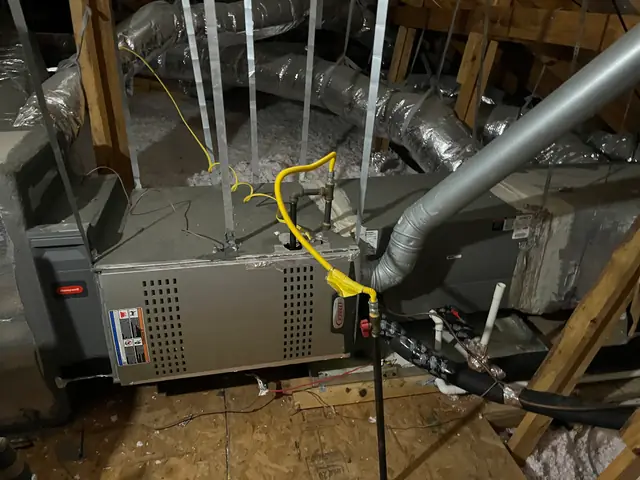
Mini split systems -- ductless units consisting of a compact outdoor compressor and one or more indoor air handlers -- have moved from specialty product to mainstream option over the past decade. Air Woodlands A/C and Heating installs and services Mitsubishi mini splits alongside traditional central systems, and the honest answer is that mini splits are excellent solutions for specific situations and a poor fit for others. Knowing the difference saves you money.
Where mini splits genuinely shine
- Garage conversions and workshops. A central system cannot cost-effectively extend ductwork to a detached or converted garage. A single-zone mini split handles the space independently.
- Room additions. Adding a bedroom, sunroom, or home office to an existing home often means that the original central system is already at capacity. A mini split serves the addition without stressing the main unit.
- Spaces with comfort problems. A bonus room above a garage in Texas is frequently the hottest room in the house because of radiant heat from below. A supplemental mini split in that room solves it directly.
- Zoning without a full zoned system. Multi-zone mini splits let you set different temperatures in different rooms independently, which can reduce energy use if some rooms are unoccupied most of the day.
- Older homes without existing ductwork. Installing central AC in a home built without ducts is expensive. A multi-zone mini split can condition the whole home through wall-mounted handlers with no ductwork at all.
Where mini splits are not the right tool
For most standard Texas homes built with central forced-air systems, replacing a central AC with mini splits throughout the house is rarely the most cost-effective path. You would need multiple indoor units, multiple refrigerant line sets run through walls, and a multi-zone outdoor unit -- a project that can cost more than a high-efficiency central system replacement while delivering less whole-home comfort consistency. Mini splits also require periodic cleaning of the wall-mounted filter and coils; the filters are exposed and accessible, which makes this easier than a central system's buried components, but they do need attention.
Efficiency in the Texas climate
Modern mini splits, particularly inverter-driven units from brands like Mitsubishi, are genuinely efficient. SEER2 ratings in the high 20s are available, which outperforms most central systems. In a climate where a system runs eight or nine months a year, the operating cost difference adds up. For a space that would otherwise rely on window units or a portable AC -- both of which are inefficient and ineffective at high Texas temperatures -- a mini split is almost always the better investment.
Getting sized correctly
Mini split sizing follows the same load-calculation principles as central systems and is just as important to get right. An undersized unit runs continuously without hitting temperature in a Texas summer; an oversized unit short-cycles and leaves the space humid. Air Woodlands handles Mitsubishi mini split sales, installation, and service throughout The Woodlands area, and proper sizing is part of every installation assessment.
Air Woodlands A/C and Heating. (281) 367-8135
Call (281) 367-8135More articles
Repair or Replace? How to Decide When Your AC Struggles in a Texas Summer
The right answer depends on age, repair cost, and what the next three Houston summers will cost you to run it.
Humidity Is Half the Problem: What HVAC Owners in The Woodlands Need to Know
In a climate where July dew points regularly hit the low 70s, your air conditioner is a dehumidifier as much as it is a cooling machine.